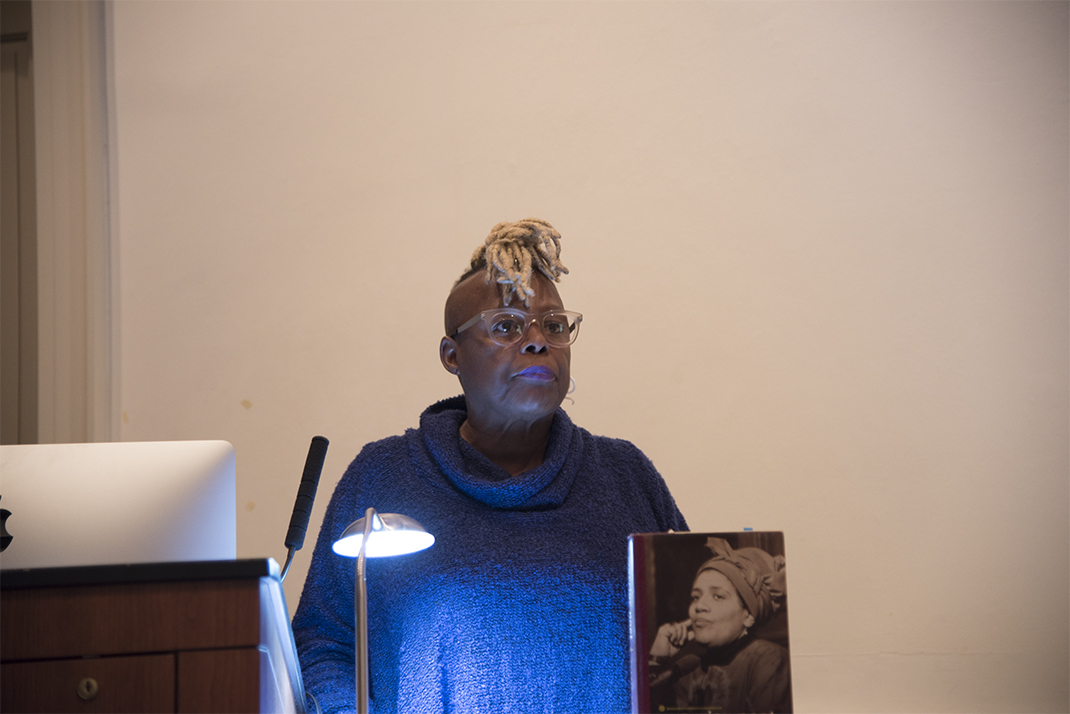
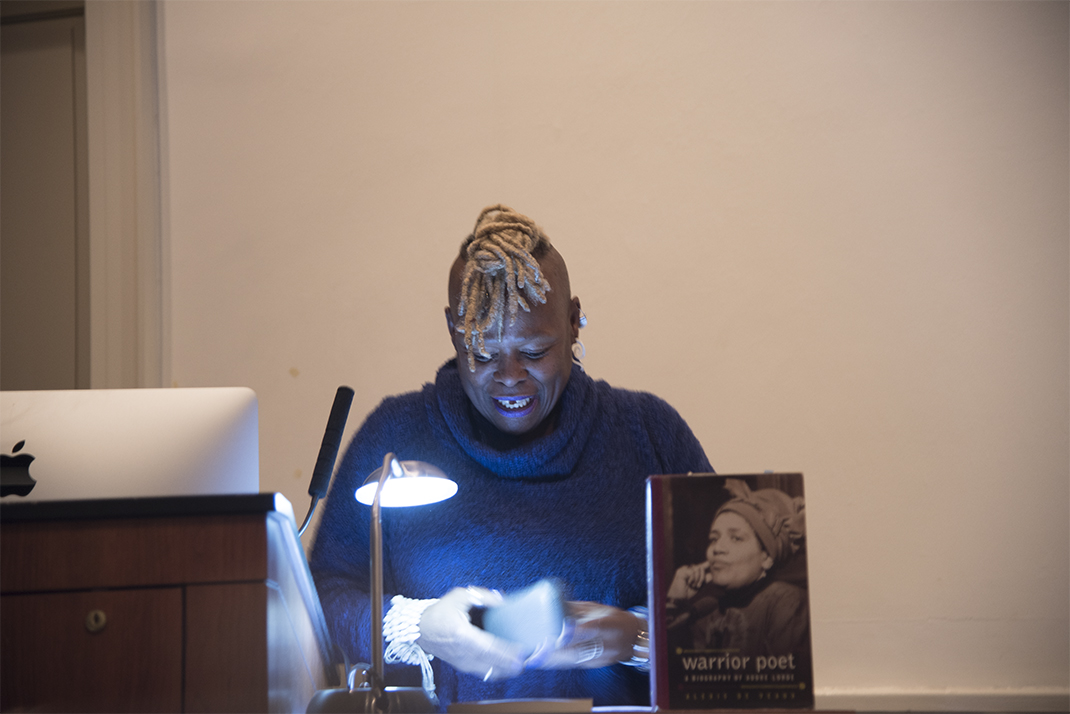
Alexis De Veaux will be a featured reader at the event.
But Then You Read Lorde is a multidisciplinary day-long program celebrating the breadth of work and influence of Audre Lorde, hosted by the Schomburg Center for Research in Black Culture and Alexis Pauline Gumbs, author of Survival Is A Promise: The Eternal Life of Audre Lorde. This program brings together a dynamic group of writers, artists, cultural producers, and scholars to read primarily from Lorde’s poetry, activating her work as a living, shared practice. Across the day, audiences are invited to listen, reflect, and engage with themes of love, power, identity, and liberation that remain as urgent today as ever.
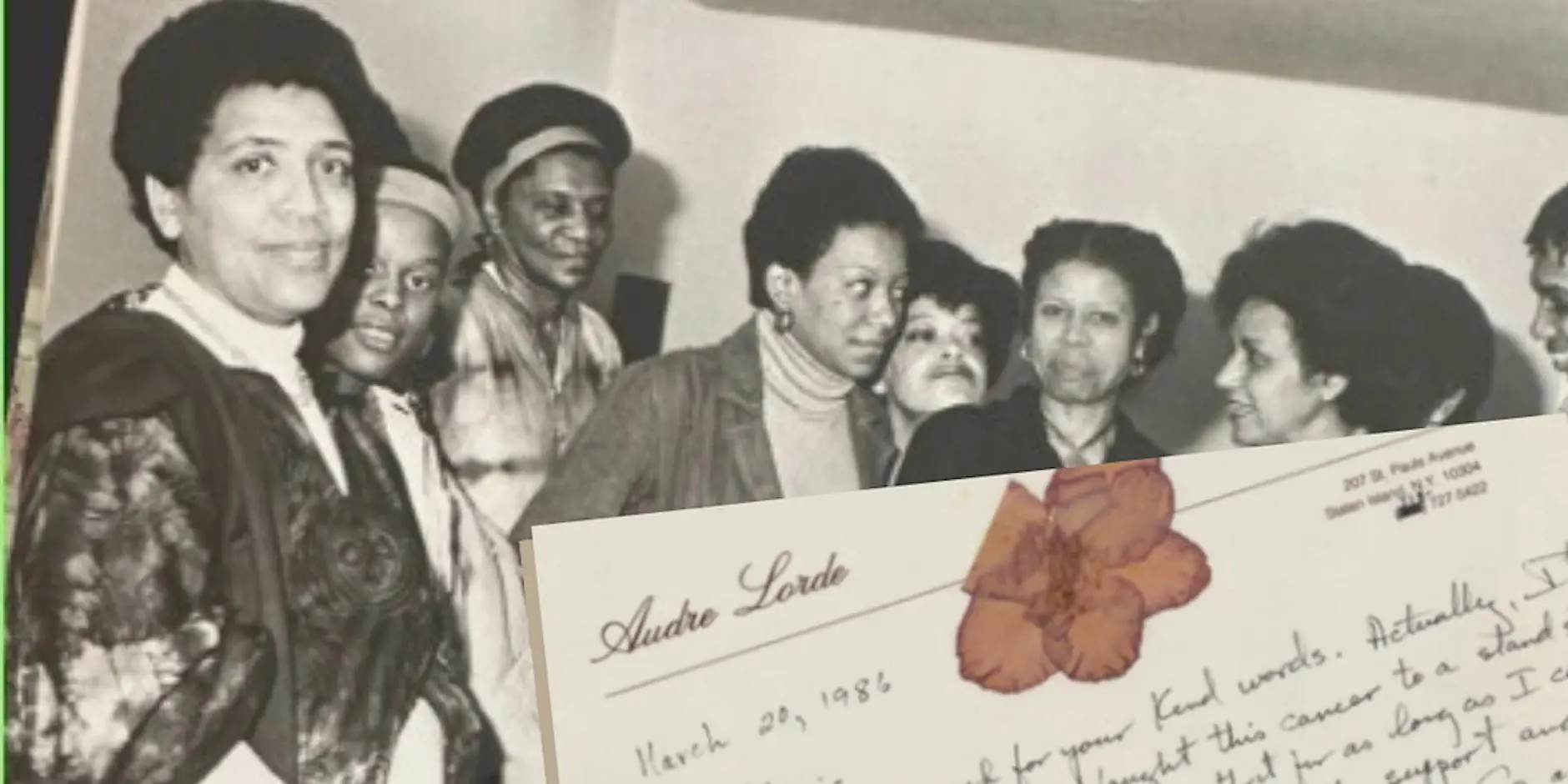
Photo: Audre Lorde, Alexis De Veaux, Gloria Joseph, Nancy Morejon, Toni Cade Bambara, Jayne Cortez, person unknown and Virta Mae Grosvenor. circa 1985 Cuba.
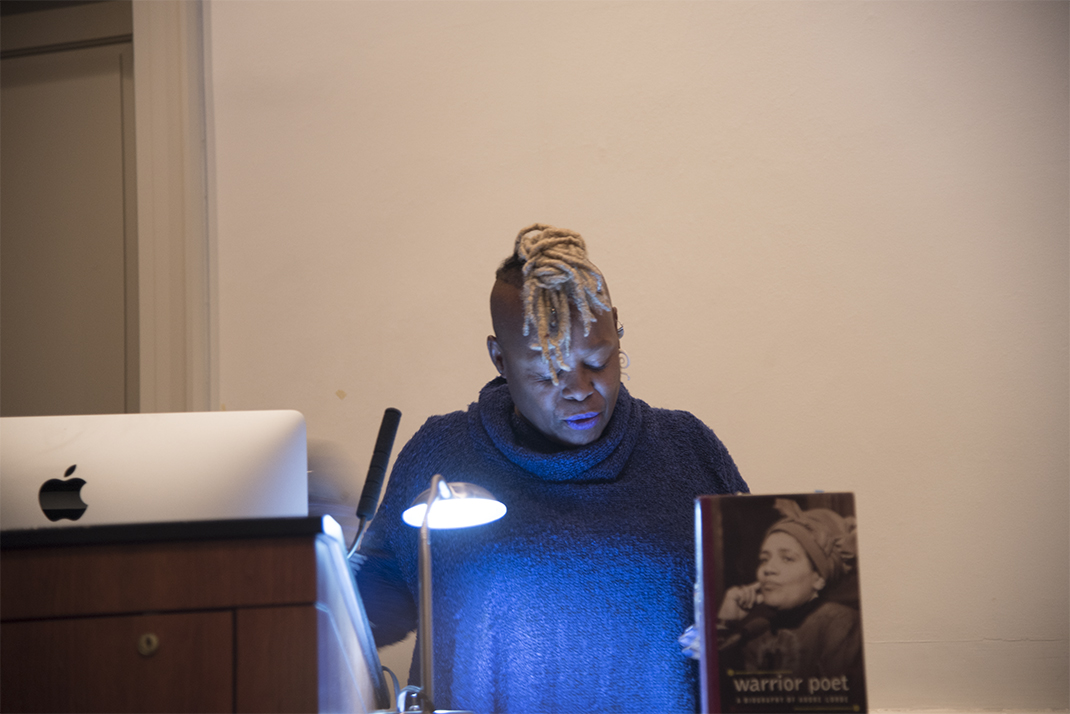
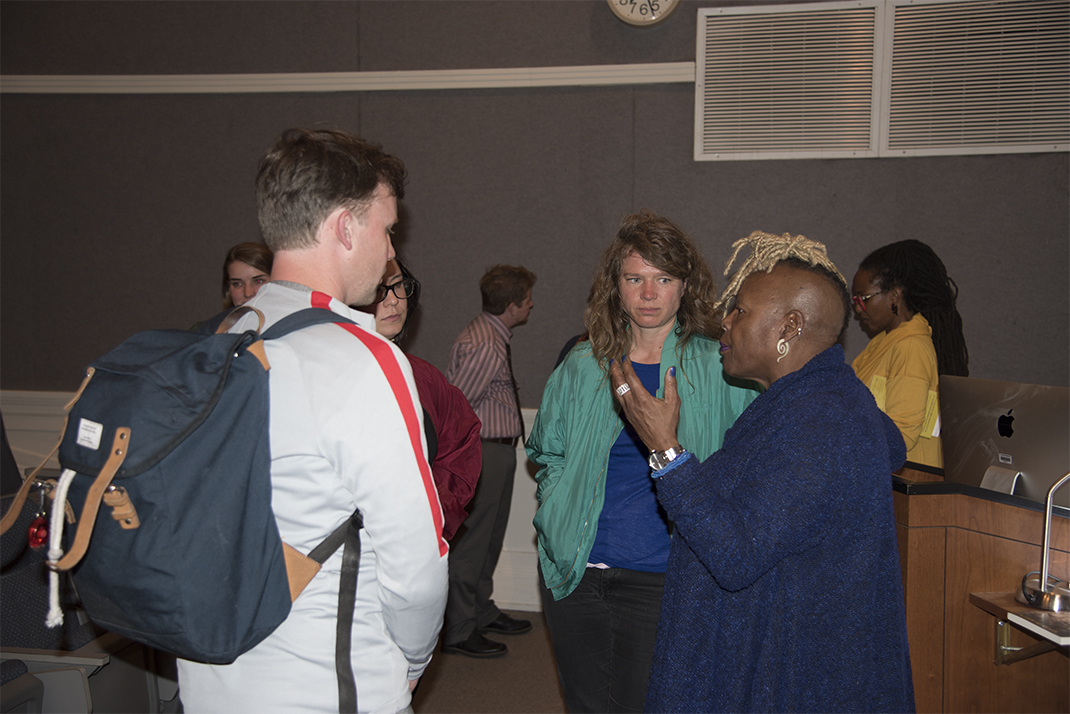
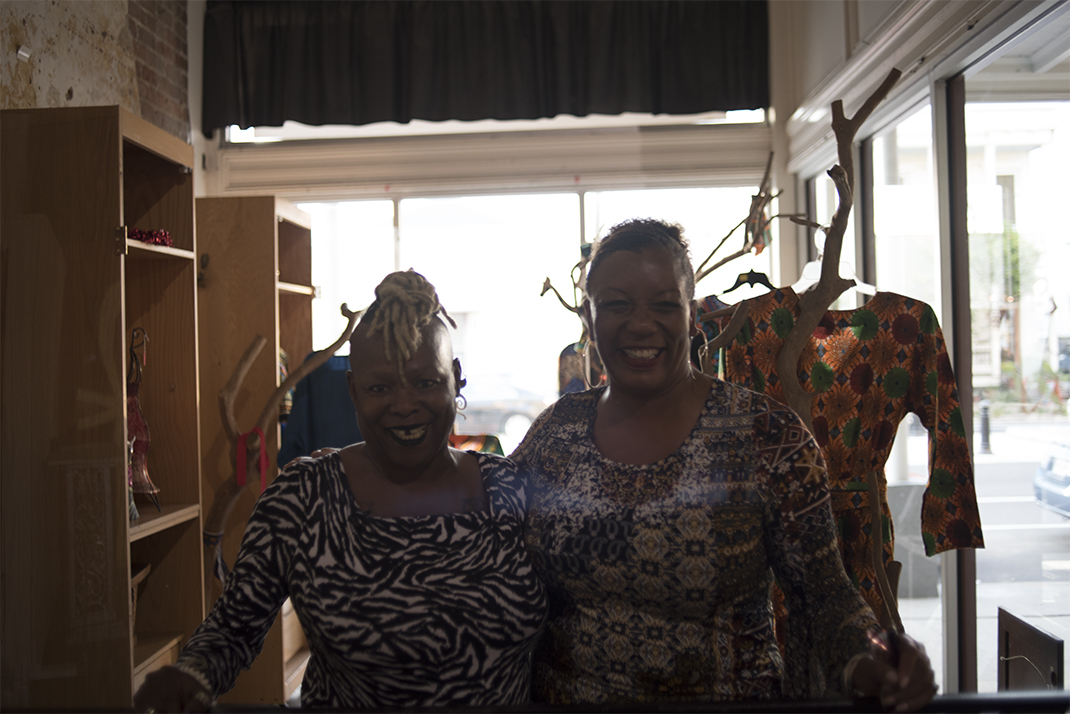
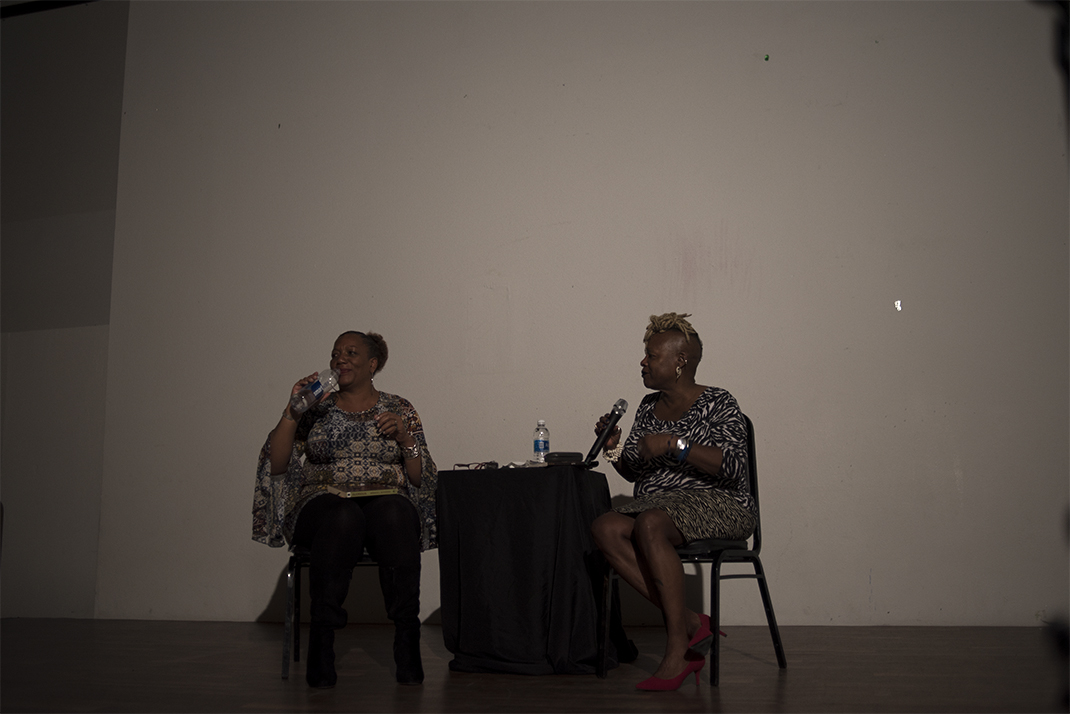
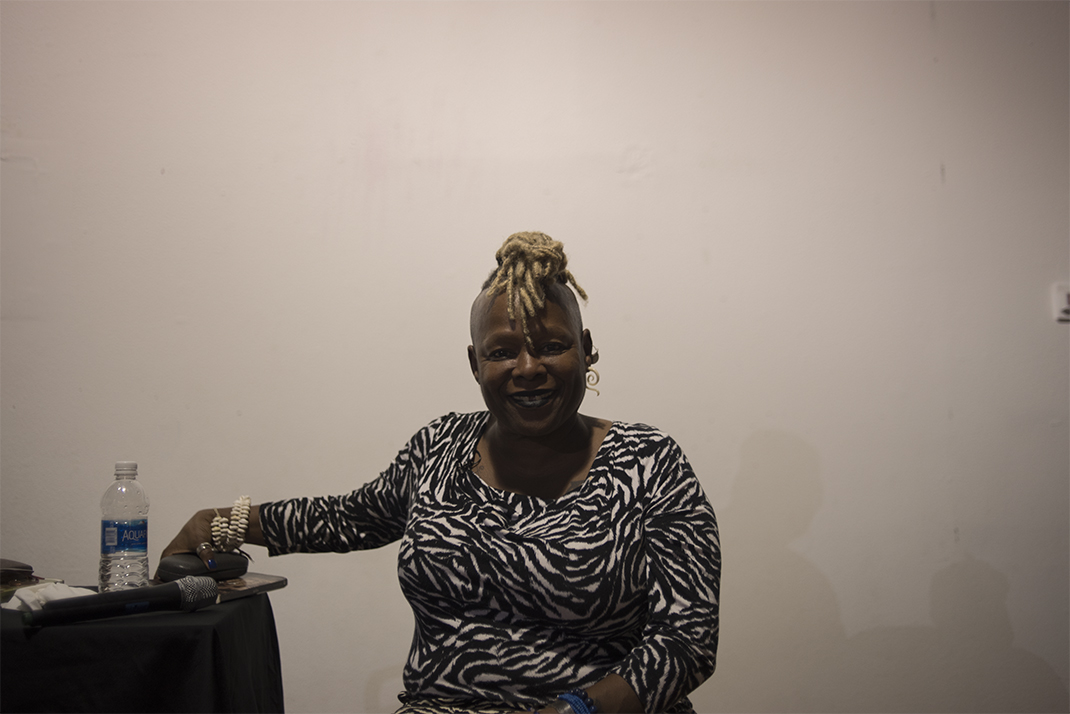
Alexis recently took part in two events in New Orleans. The first took place at Tulane University, as part of the annual “Audre Lorde Days,2017” organized by the Office of Gender and Sexual Diversity, Alexis presented a keynote address “Uses of the Erotic: The Erotics of Activism”
During the Fourth Berkshire Conference on the History of Women, at Mount Holyoke College in Massachusetts, in August, 1978, Audre Lorde delivered her paper, “Uses of the Erotic: The Erotic as Power.”(1) A groundbreaking meditation on power in the context of social change, “Uses of the Erotic” outlined Lorde’s theory of the role of eros, “the personification of love in all its aspects […] personifying creative power and harmony” (2) as a source of power […] that can provide energy for change. ” (3) While addressing the corruption of the erotic in women’s lives in particular, in western culture; its difference from the pornographic; the “internal sense of satisfaction […] to which, once we have experienced it, we know we can aspire;” (4) Lorde made specific her argument that the “suppression of the erotic as a considered source of power and information” (5) was antithetical to a radical life.
How many of us think of the erotic as an “internal sense of satisfaction” when we think of making social change, of organizing and protesting, of resisting the powers that be? How many of us today, proponents of this “new” intersectional feminism, thirty nine years after Lorde introduced her theory of the erotic, as a change agent, think of the pleasure implicit in that “sense of satisfaction”? How many of us think of pleasure as political?
(1) Lorde, Audre. “Uses of the Erotic: The Erotic as Power,” Sister Outsider, Essays and Speeches (Trumansburg, New York: The Crossing Press, 1984), 53-59